

Resources
Dragonfly® in the field.
Datasheets for every Dragonfly® version, field-tested one-pagers and engineering white papers, free to download.
Datasheets
Engineering specifications for the three Dragonfly® variants. PDF, free to download.
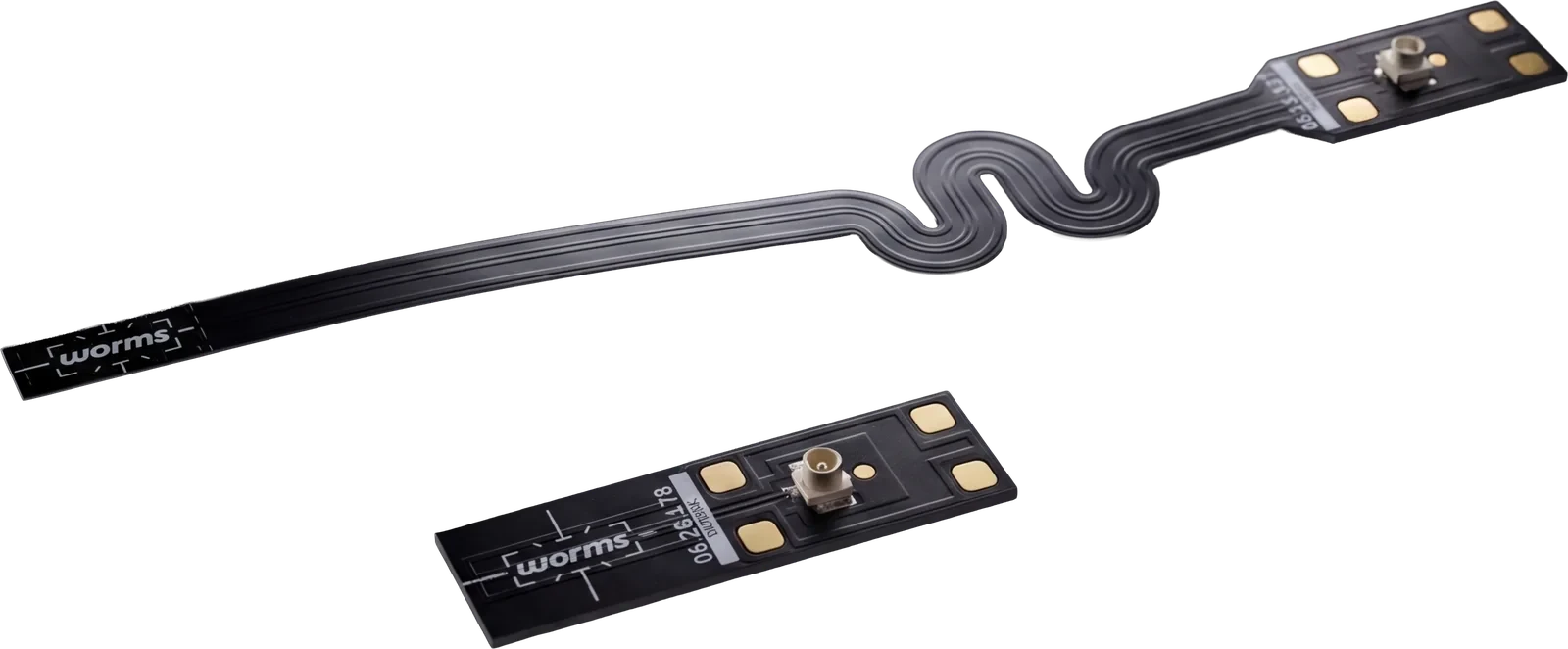 Dragonfly® PassiveCharge-output piezo strain sensor — for R&D, calibration labs, vacuum and ATEX environments.PDF, 1.4 MBDownload
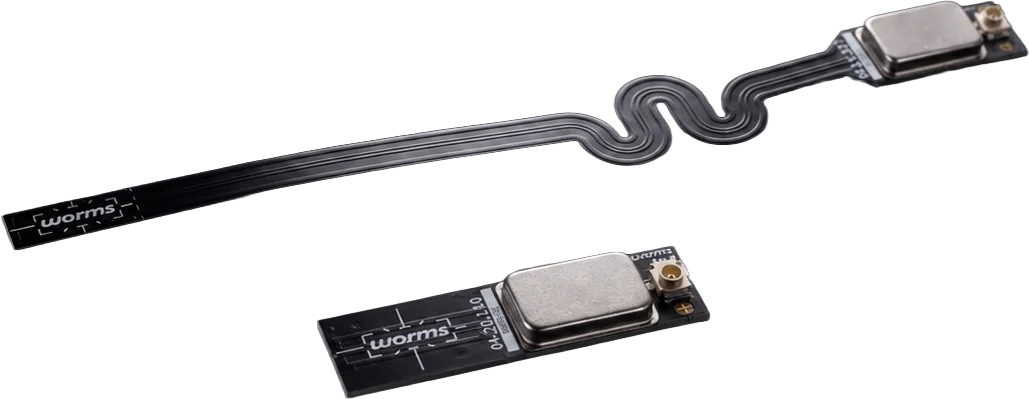 Dragonfly® IEPEIEPE / ICP-compatible strain sensor — drops into any industrial DAQ chain.PDF, 1.6 MBDownload
- User manualDragonfly® Passive sensors & IEPE sensorsPDF, 1.8 MBDownload
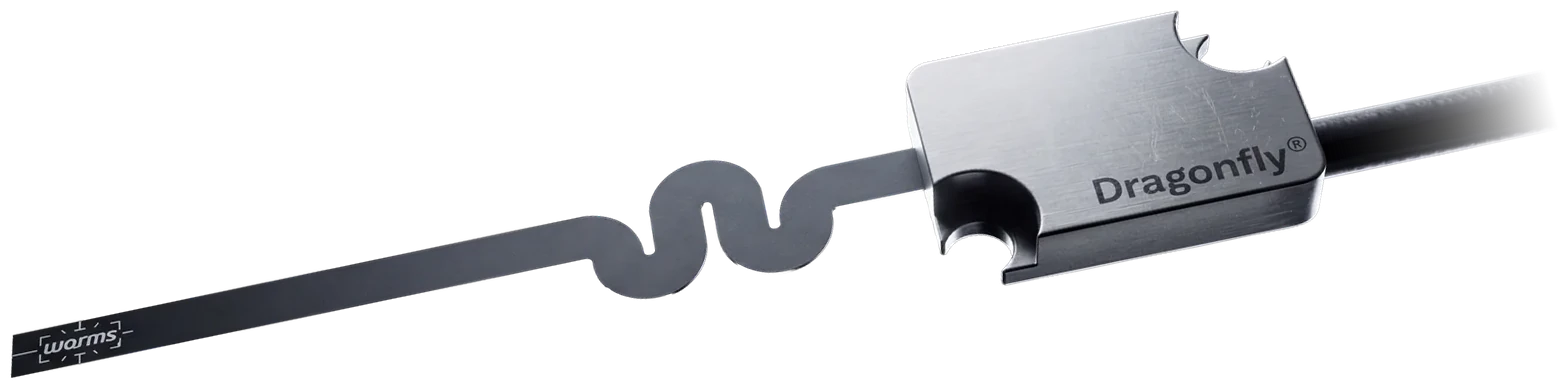 Dragonfly® IOIP67-sealed industrial sensor with M12 connector — for Industry 4.0 deployments.PDF, 1.8 MBDownload
- User manualDragonfly® Industrial Grade IEPE sensorsPDF, 1.7 MBDownload
One-pagers
Field-tested deployments and case studies. Two-page format, ready to share with your engineering team.
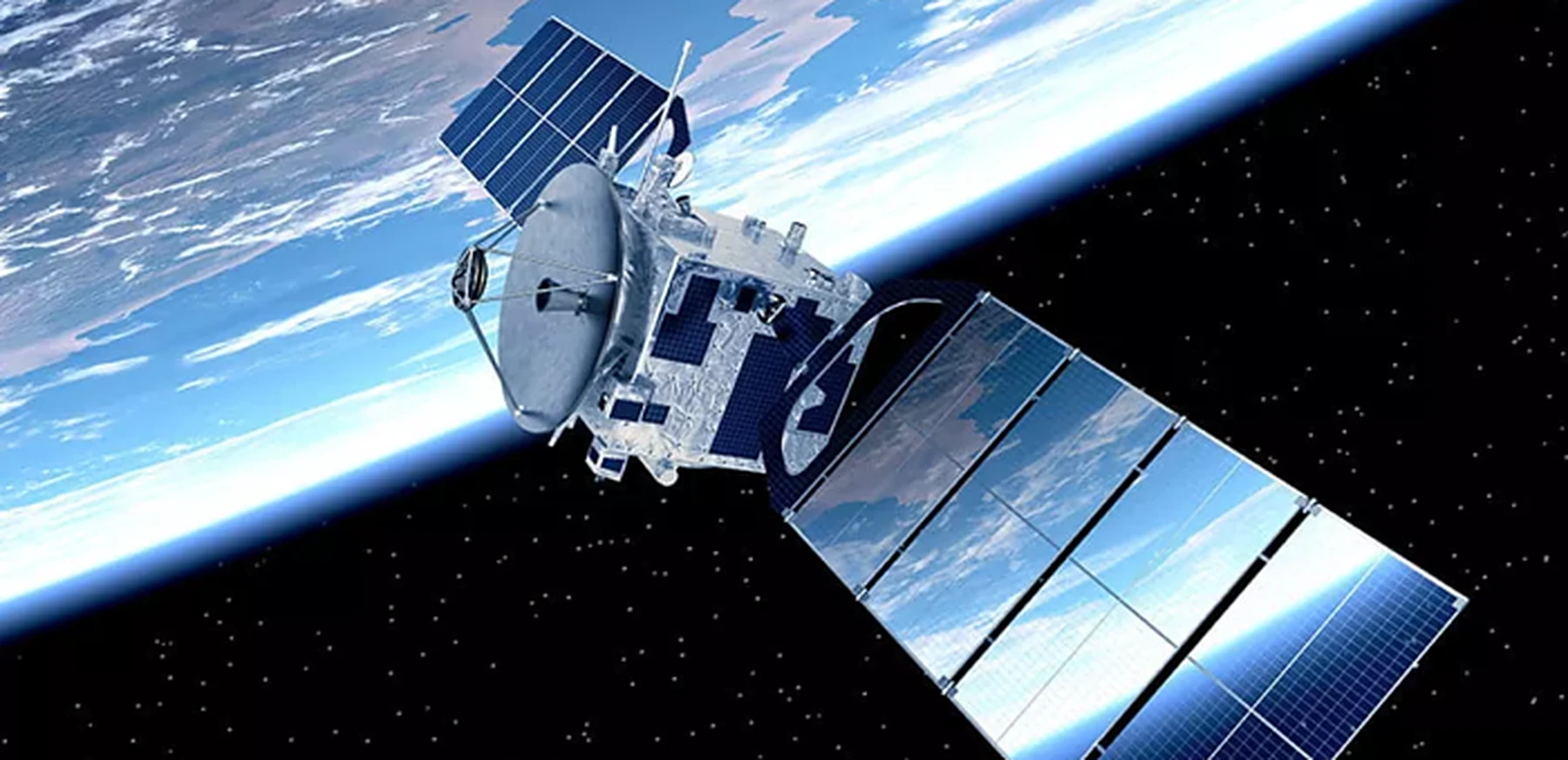
Setting new standards in satellite vibration testing
At Airbus Defence and Space, Dragonfly® has become a reference strain sensor for satellite vibration testing: direct, high-accuracy strain measurement at critical satellite interfaces, with 1000x more resolution than a traditional strain gauge.
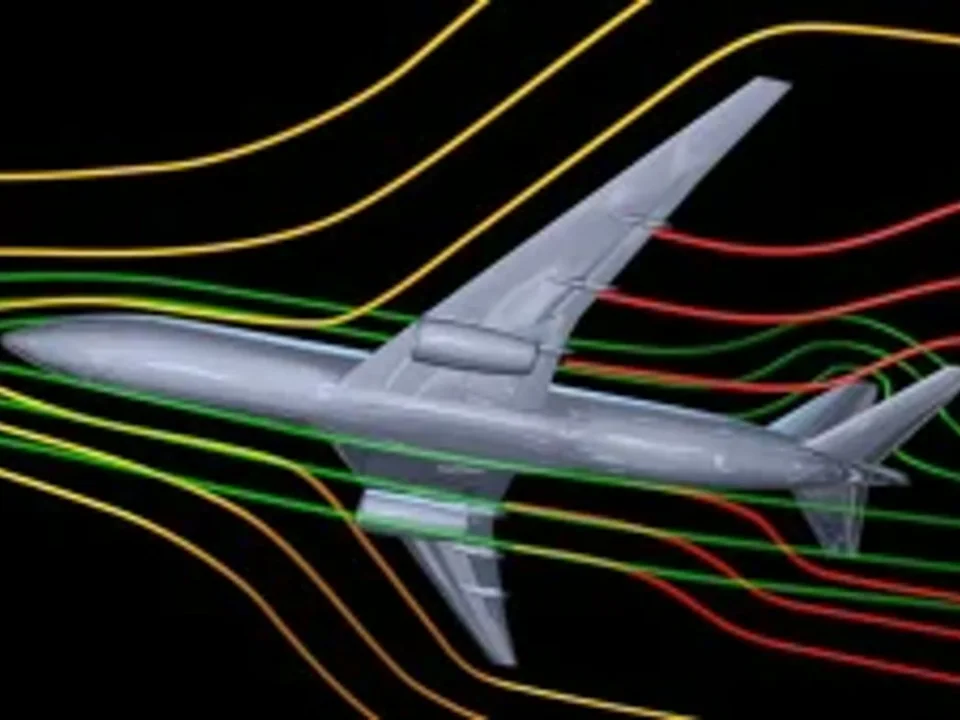
Measuring the influence of airflow on structures
In wind-tunnel testing at CREA, the research center of the French Air and Space Force Academy, Dragonfly® captures both the low-frequency deformations and the high-frequency vibrations of the structure without disturbing the airflow, with a performance comparable to state-of-the-art accelerometers. It was installed in 10 minutes.
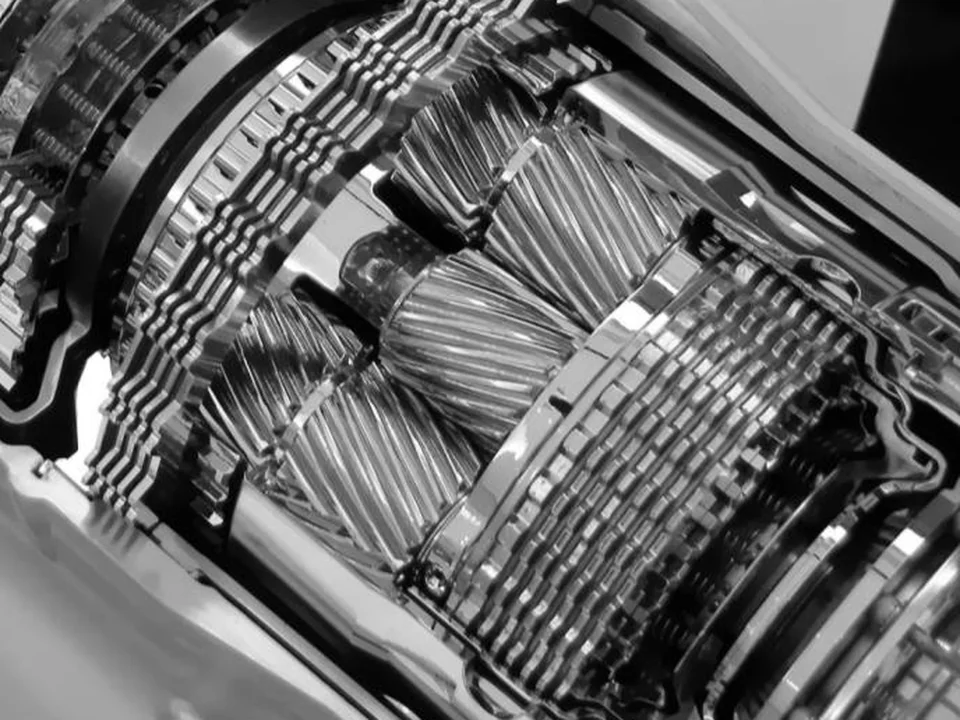
Unprecedented insights into rotating machines
Dragonfly® measures directly the minute forces generated by the moving parts of industrial machines, down to slow machines where accelerometers fail to capture useful information. On a gearbox with a missing tooth rotating at 1 Hz, its polar plot clearly highlights the missing tooth and the shock generated by backlash compensation.
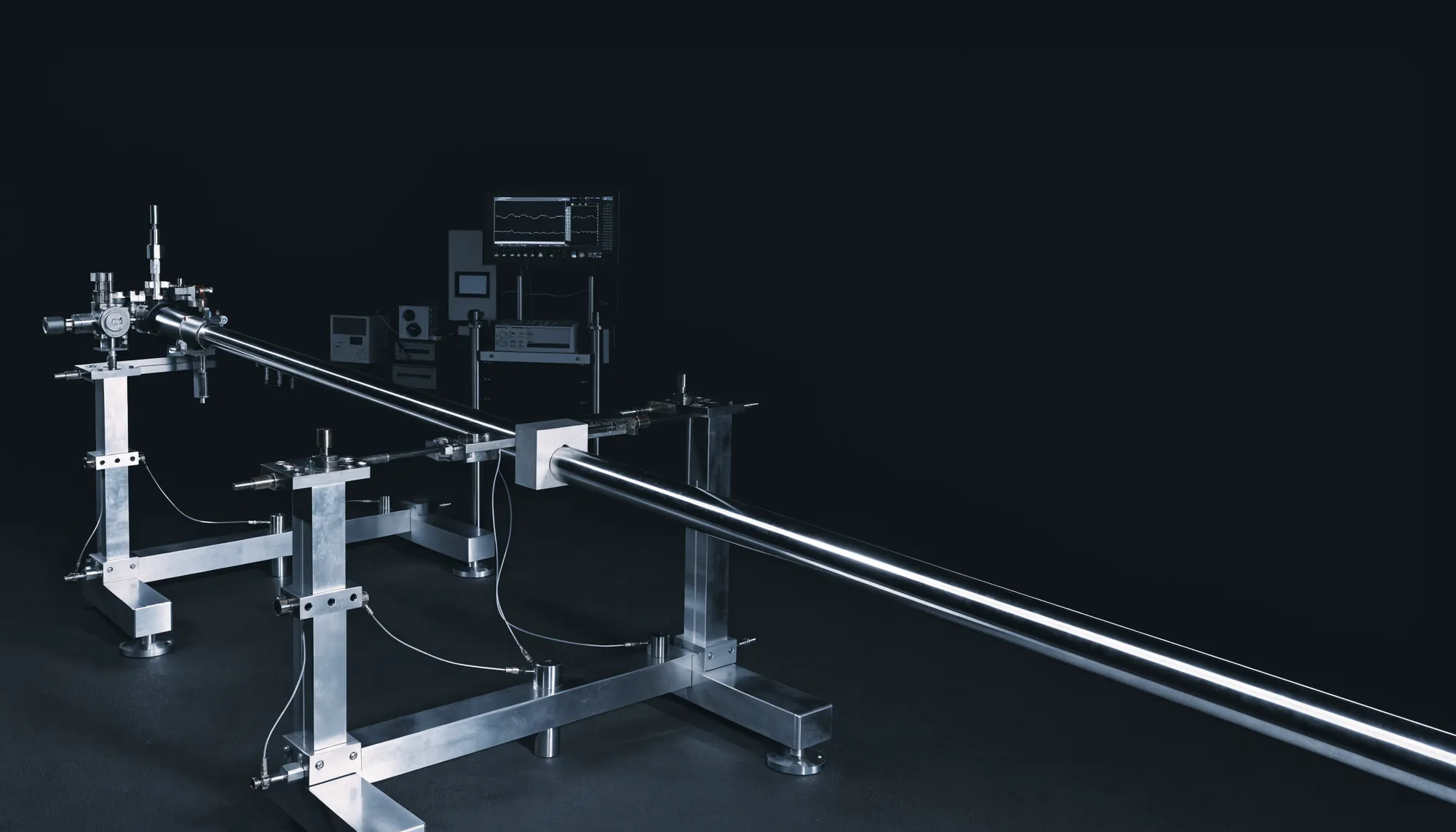
Redefining Split Hopkinson pressure bar testing
At Gustave Eiffel University (LBMC), two Dragonfly® sensors on the incident bar of a split Hopkinson pressure bar gave an almost perfectly overlaid response, validating the bench and highlighting a problem in the classic strain gauge bridge. Recorded directly, without conditioners, and installed in 20 minutes.
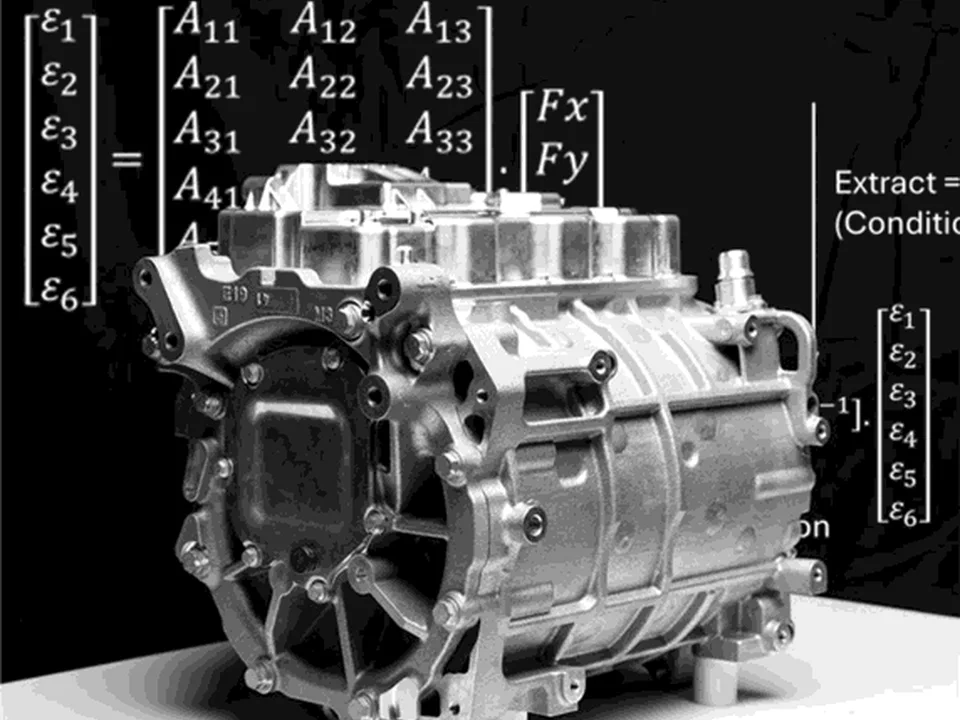
Unmatched accuracy in force reconstruction
Inverse methods reconstruct the forces acting on a structure from its measured responses. VIBRATEC's latest use case, with extremely low strain amplitudes, could only be addressed with Dragonfly®: 1000x the resolution of traditional gauges, a large measuring range and end-to-end shielding.
White papers
Long-form technical references — measurement methodology, comparative studies, reference designs.
Filter by
Rotating Machine unstable operation detection using Dragonfly® sensors
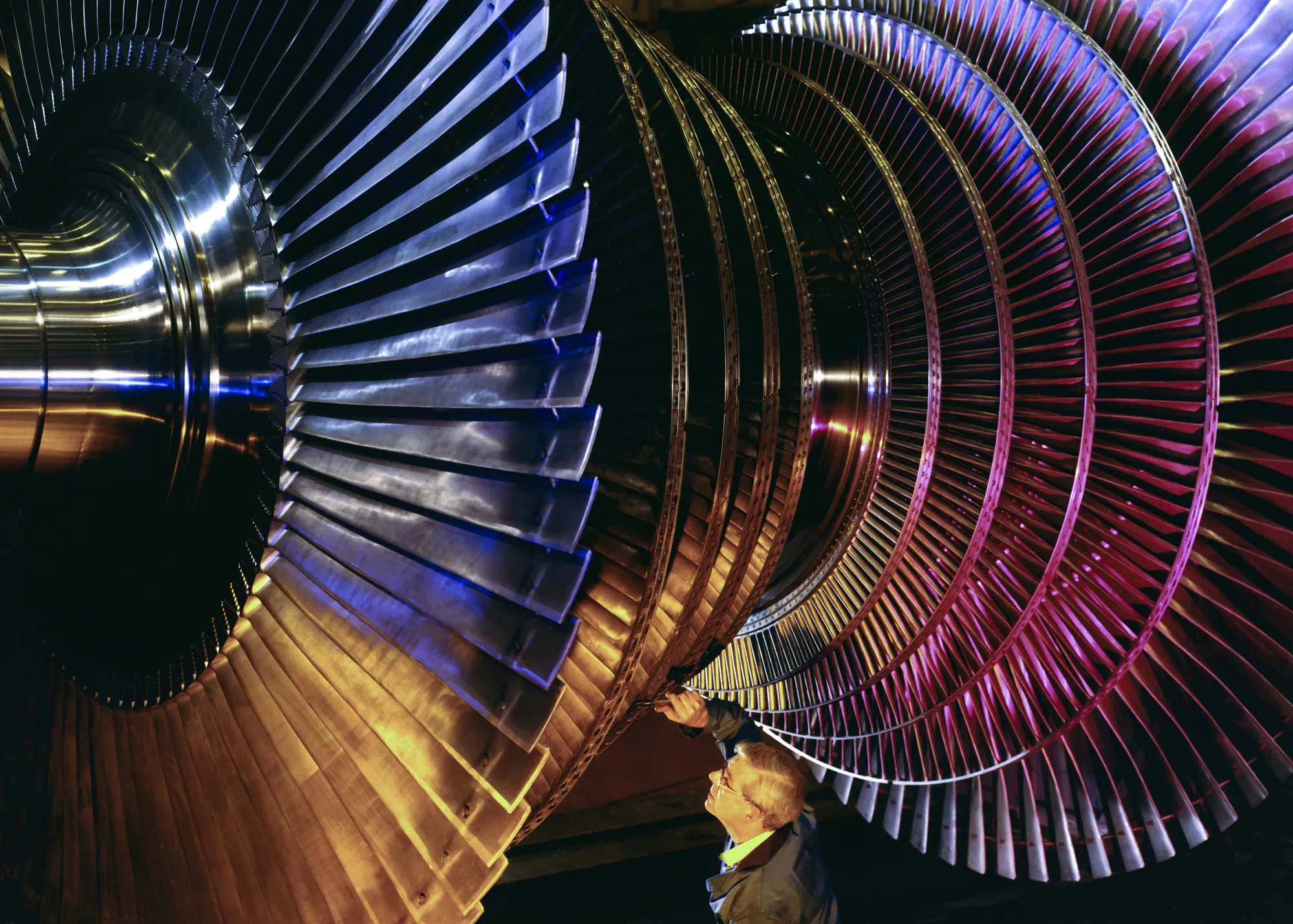
At Schneider's F-Lab, six Dragonfly® sensors and two accelerometers monitored a 1936 600 MVA shock motor-generator on hydrodynamic bearings during an attempted speed increase; Dragonfly® proved capable of diagnosing oil whirl and whip.
Gearbox Monitoring using Dragonfly® Sensors
On an ifm vibration test bench with a missing-tooth gear, Dragonfly® and an industrial accelerometer were compared using synchronous averaging: the accelerometer primarily detected shocks, while Dragonfly® provided a tooth-by-tooth analysis.

SHM: Railroad bridge monitoring using Dragonfly® piezoelectric strain gauge
Dragonfly® sensors were installed on the girder of a railroad bridge in Grenoble, France, and compared with a metallic foil strain gauge and a MEMS accelerometer. Measurements repeated more than 2.5 years later remained consistent.
Monitoring milling machines using Dragonfly®
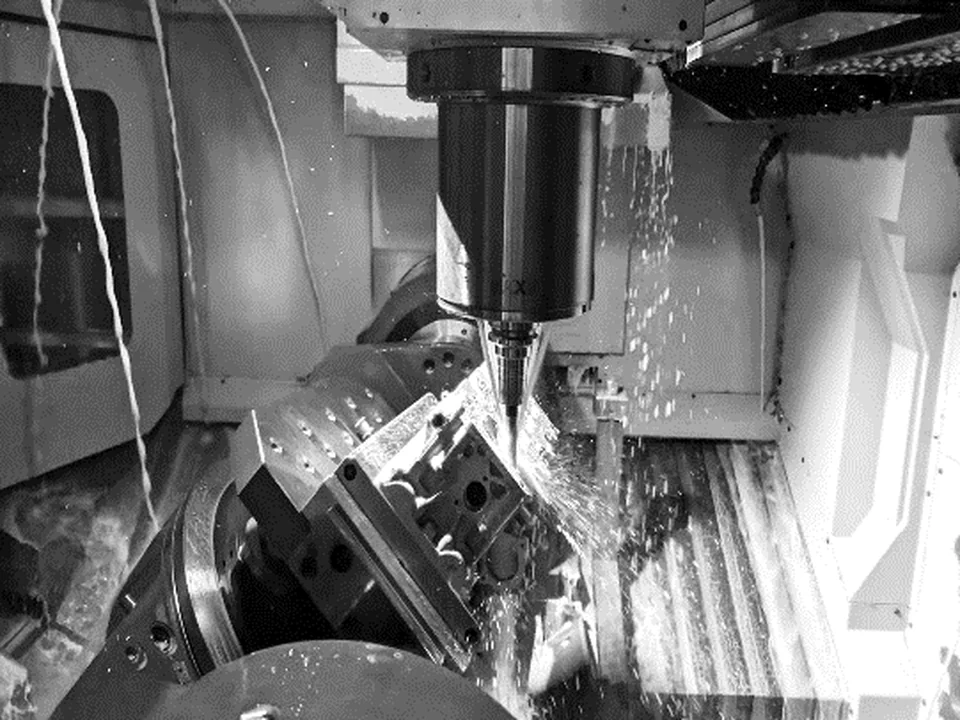
On the spindle of a milling machine owned by a major aerospace manufacturer, Dragonfly® was compared with an accelerometer. It provided all the accelerometer's information and revealed badly calibrated tool coordinates causing excessive effort, which could explain early spindle wear.
Seamless integration of force sensing and position monitoring on robot arms with Dragonfly® strain sensors
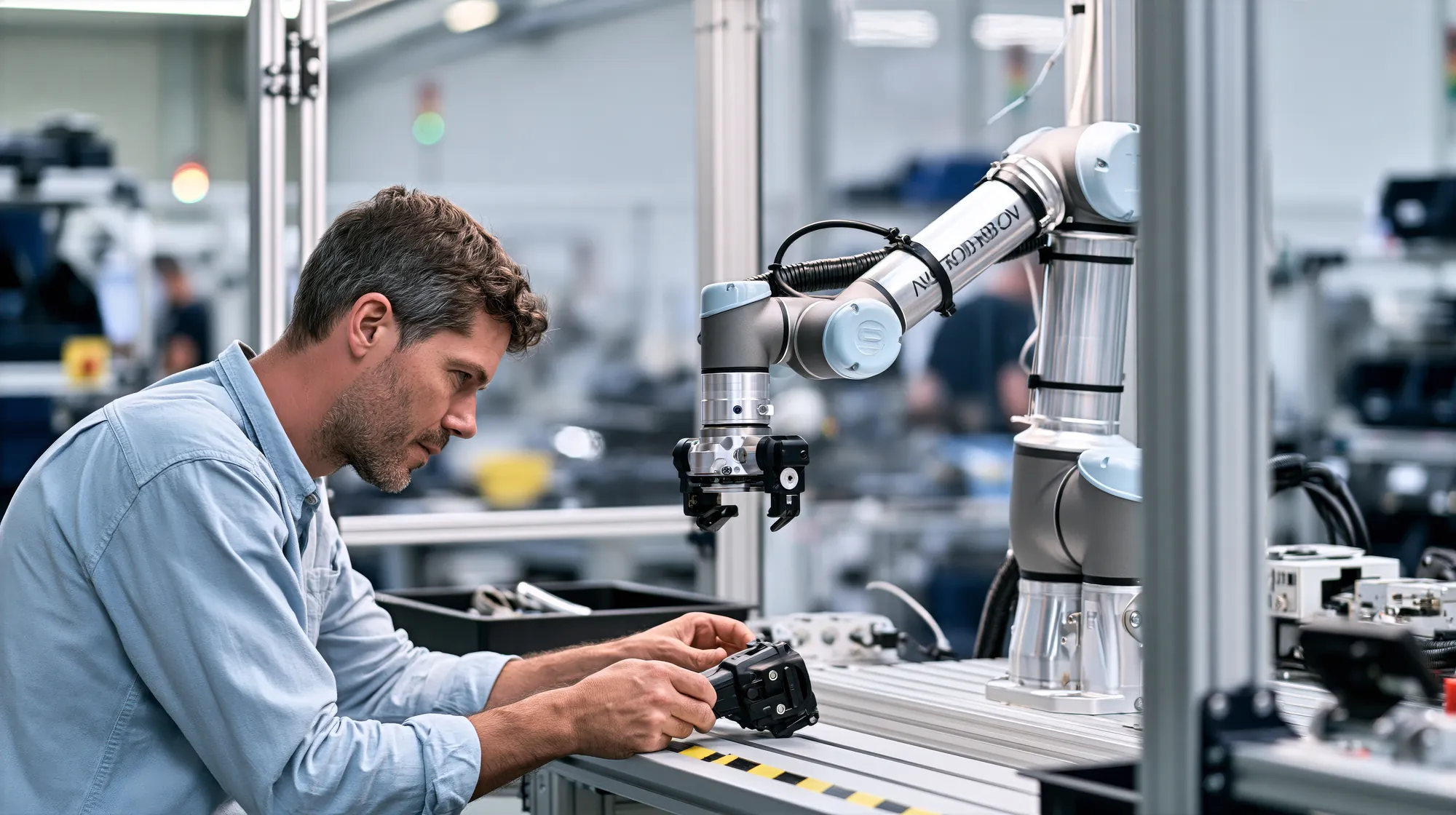
Seven Dragonfly® sensors were glued on a commercial robot arm with no sensing abilities. After calibration, they estimate the force applied by the head on objects and the head's oscillations around its target position.
Transforming any object into a tactile interface using Dragonfly®
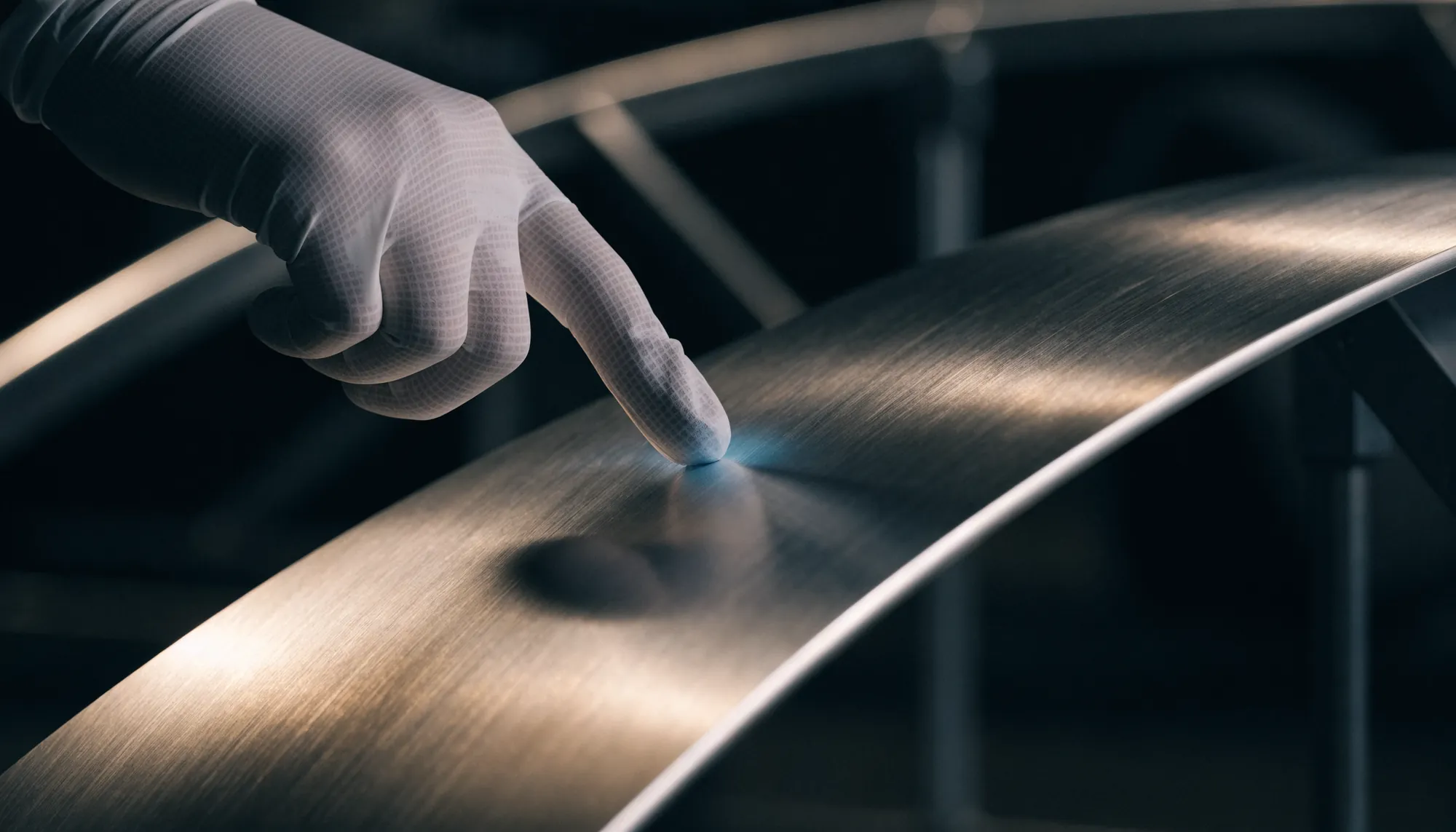
A curved steel plate cut from a standard chair seat was fitted with three Dragonfly® sensors. A neural network recognizes four buttons and eight sliding gestures, reaching 95% accuracy, and controls a snake game on a Raspberry Pi.
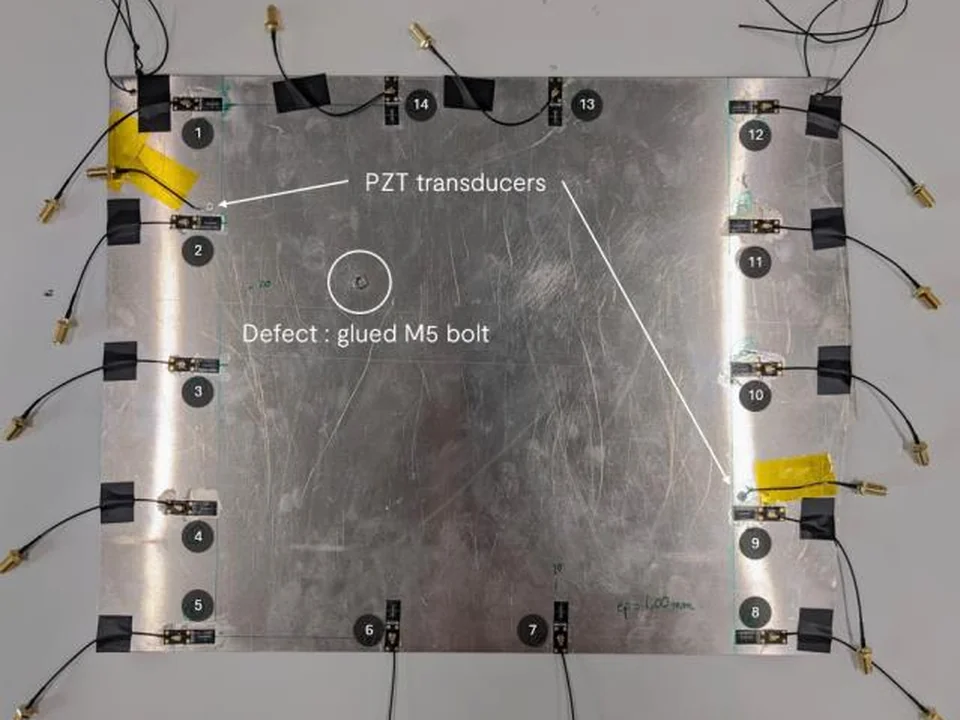
Ultrasonic Guided Wave Testing with Dragonfly®
A 1 mm-thick aluminum plate was instrumented with 14 Dragonfly® sensors for Ultrasonic Guided Wave testing. The RAPID algorithm detected and localized a simulated defect, a glued M5 bolt, with a 34 mm error.
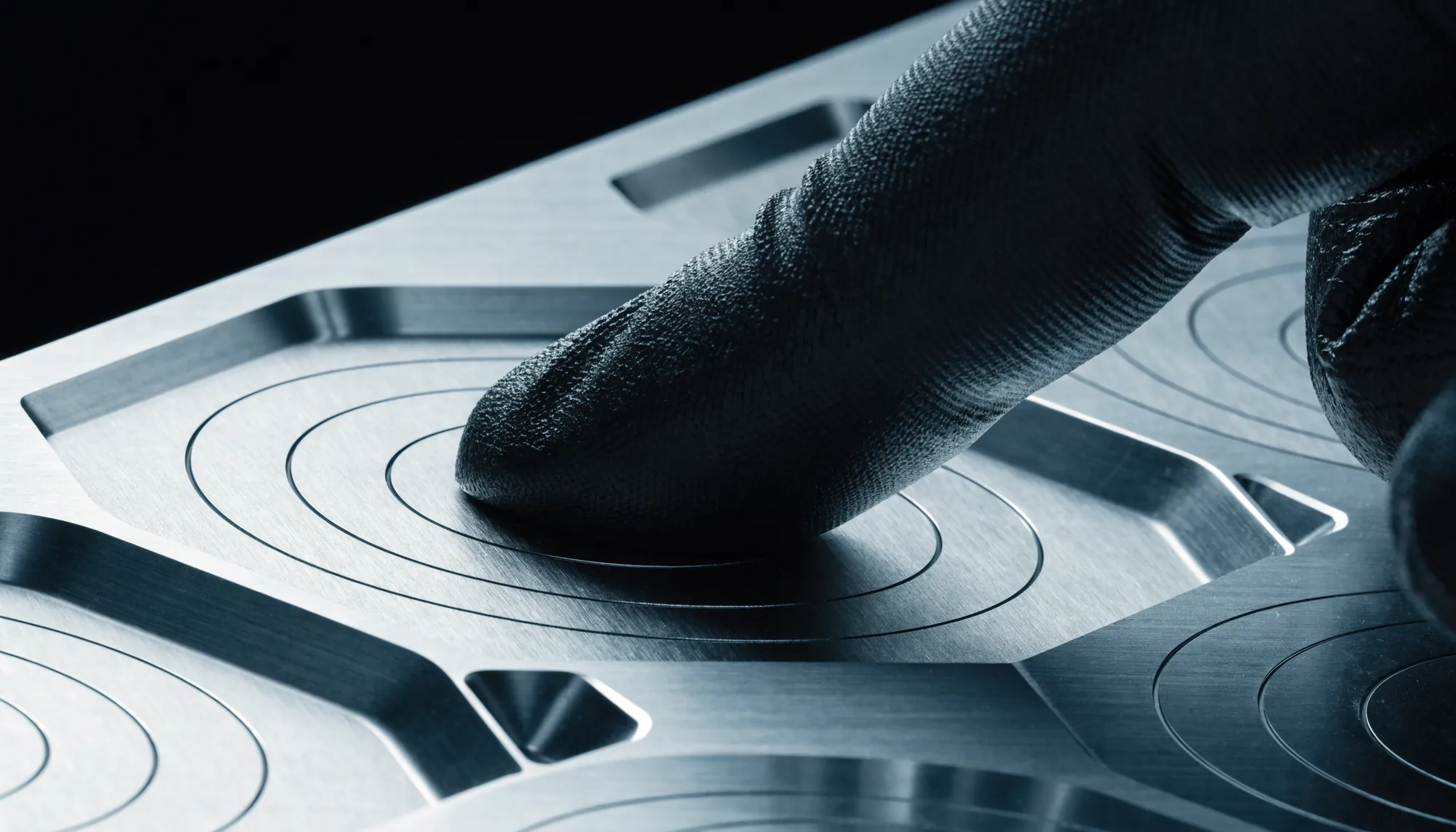
Using the Dragonfly® sensor for tactile interfaces
An aluminum plate with four Dragonfly® sensors became a 12-key keypad. A neural network identifies the pressed key and a linear fit estimates the force. It works with gloves or any touching object, and in wet conditions.
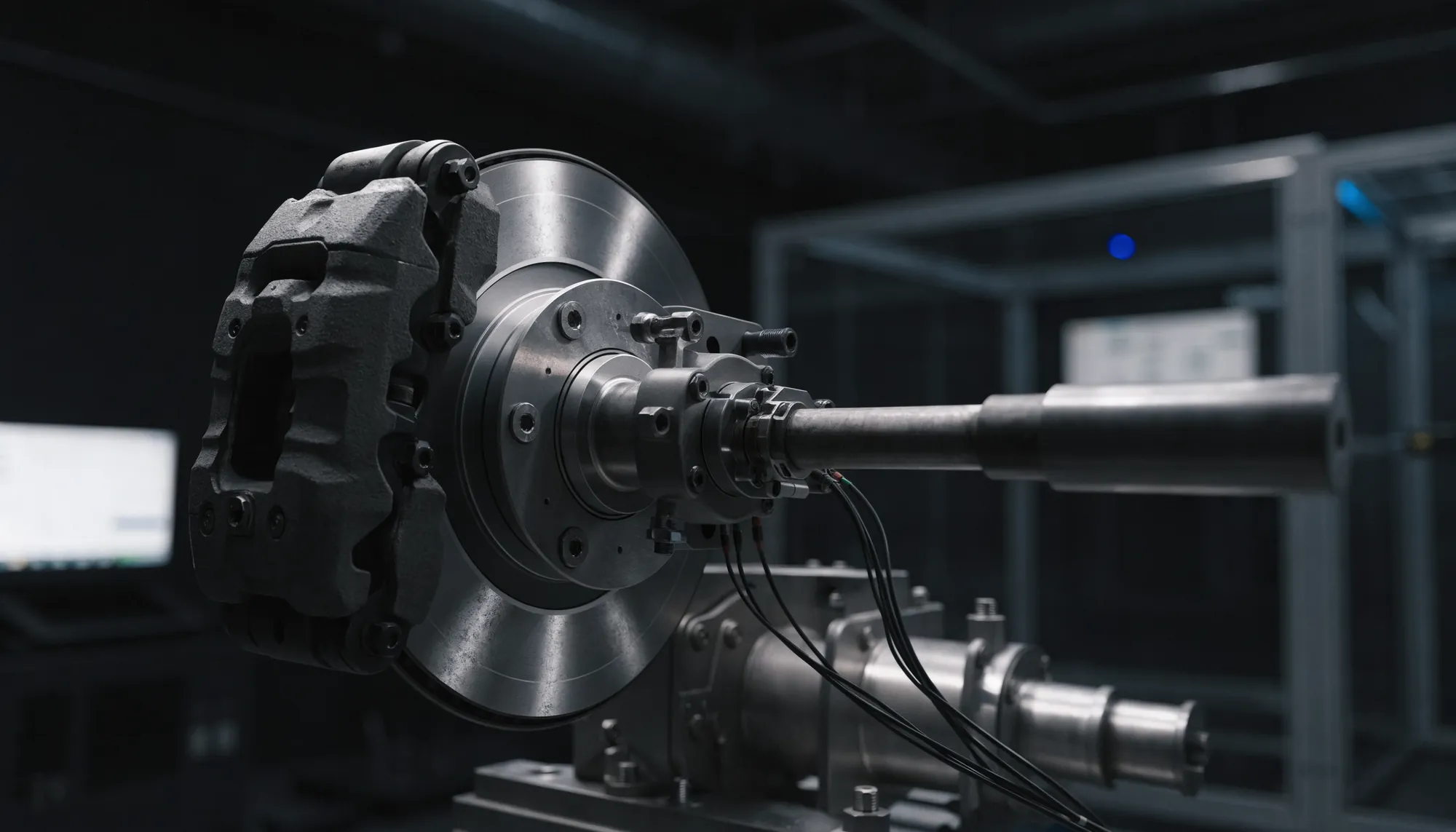
Disk brake monitoring using Dragonfly® sensors
On a scooter wheel, a Dragonfly® sensor on the brake caliper monitored braking torque and vibration, compared with a MEMS accelerometer. Each braking event's torque amplitude was measured and classified for lifetime estimation.
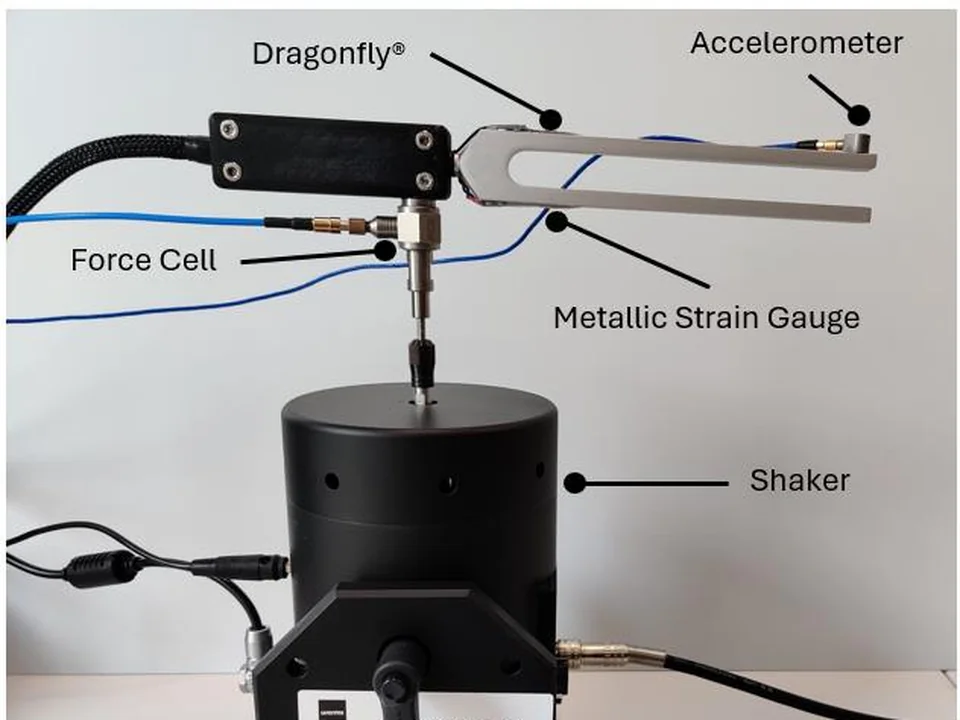
Strain-based vibration measurements using Dragonfly®
Dragonfly®, a high-end accelerometer and a metallic foil strain gauge were compared on a tuning fork on a shaker. Dragonfly®'s strain signal quality and coherence were comparable with the accelerometer's; the strain gauge signal was not up to the task.
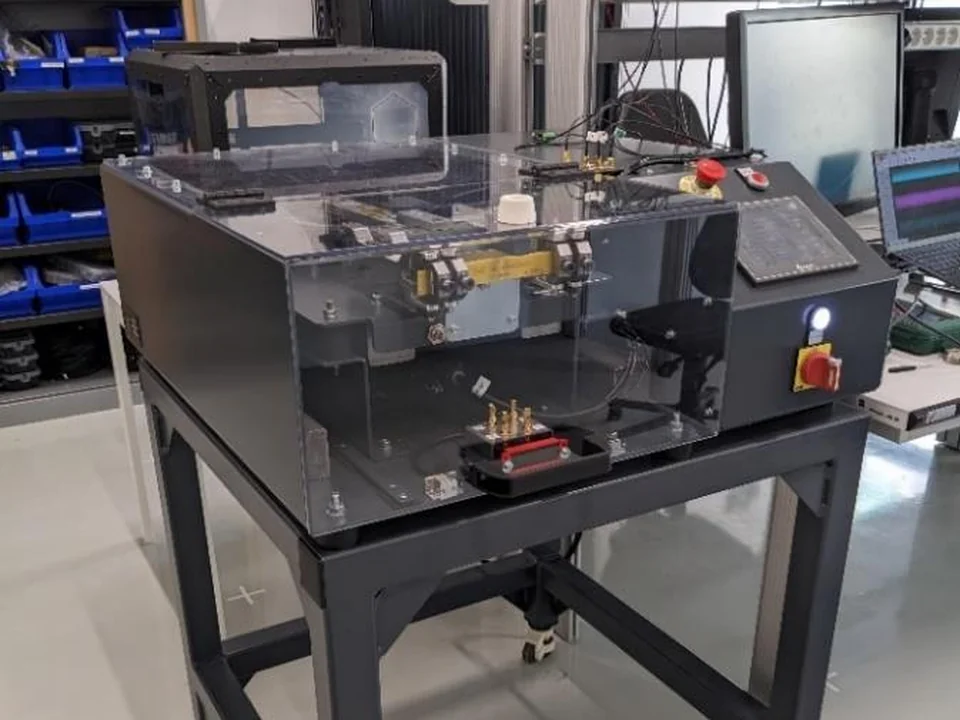
Monitoring lubrication issues with Dragonfly®
A Dragonfly® sensor on the rod of a fatigue-testing machine in Wormsensing's production facilities measured strain before and after lubrication; crest factor, kurtosis and high-to-low-frequency RMS ratio appear to be relevant candidates for detecting lubrication problems.
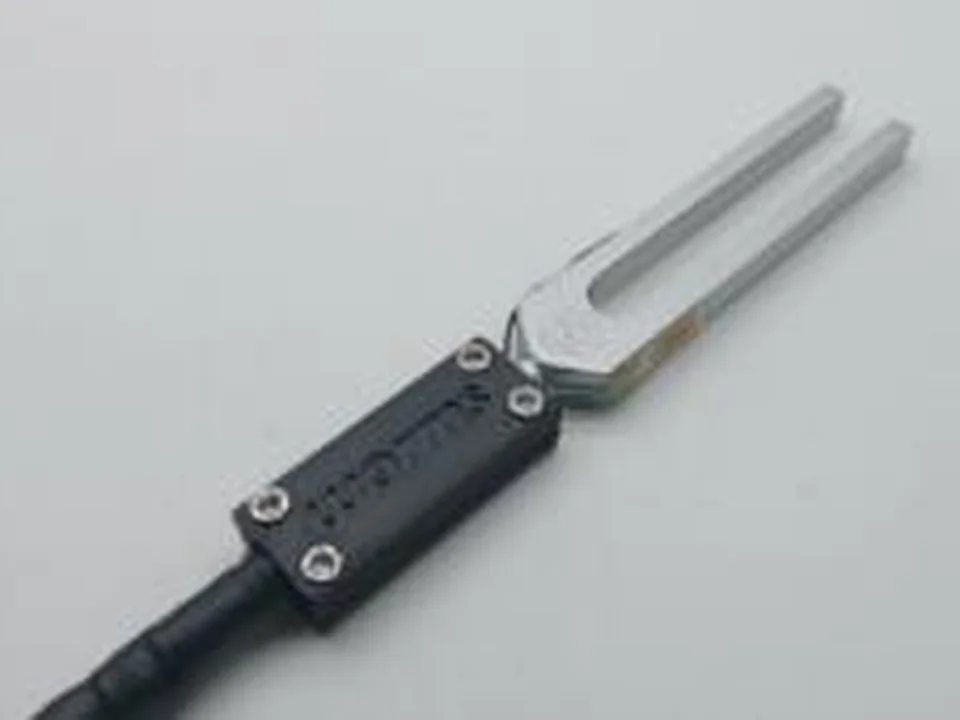
Tuning Fork: A Comparison Between Dragonfly® Sensor and Strain Gauge
A tuning fork with a 246 Hz resonance was equipped with a Dragonfly® sensor and a metal foil strain gauge. Both agree at large deformations, while only Dragonfly® quantifies small strains and captures higher vibration modes.

Measurement and Analysis of Civil Engineering Vibrations
A technical reference on vibration measurement methodology for civil infrastructure — bridges, towers, dams, post-tensioned structures. Modal analysis, SHM strategies and instrumentation guidance.