


The phenomenon
Inside Dragonfly®
Deform a piezoelectric crystal.
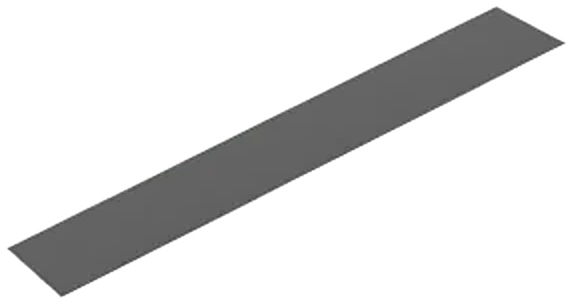

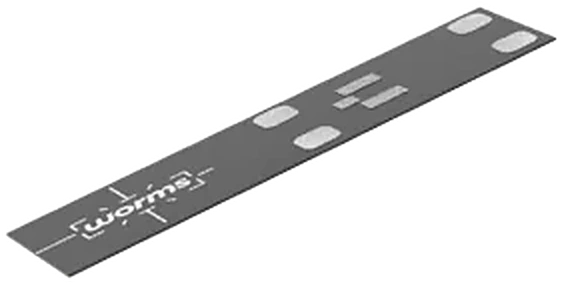
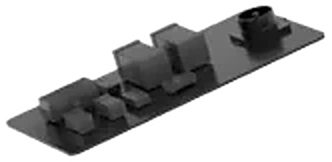
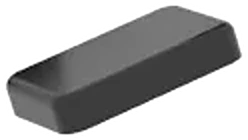
Shown: IEPE Dragonfly®
What it reveals
From tension to friction, one sensor reads it all.
Tension & compression
The structure stretches and shortens, and Dragonfly® reads the axial strain in real time.
Measured directly
Measured directly: dynamic surface strain. Load, torque and friction are derived from it through application-specific calibration.
Performance
Measured side by side with the sensors it replaces.
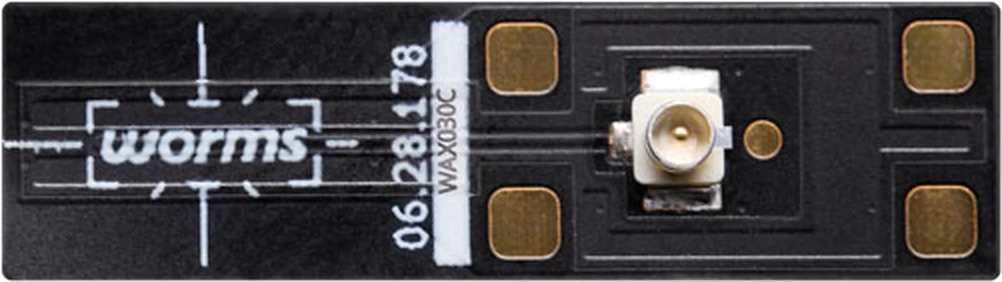 Dragonfly®
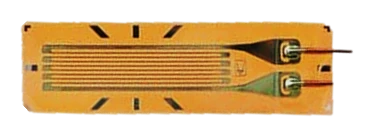 Strain gauge
Accessories
Everything to connect Dragonfly® to your chain.
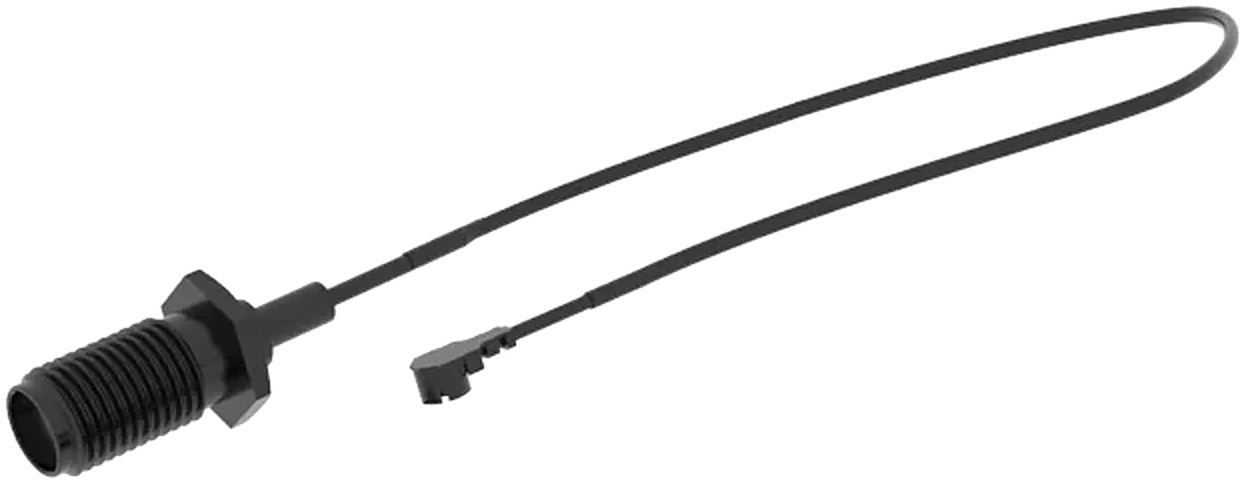
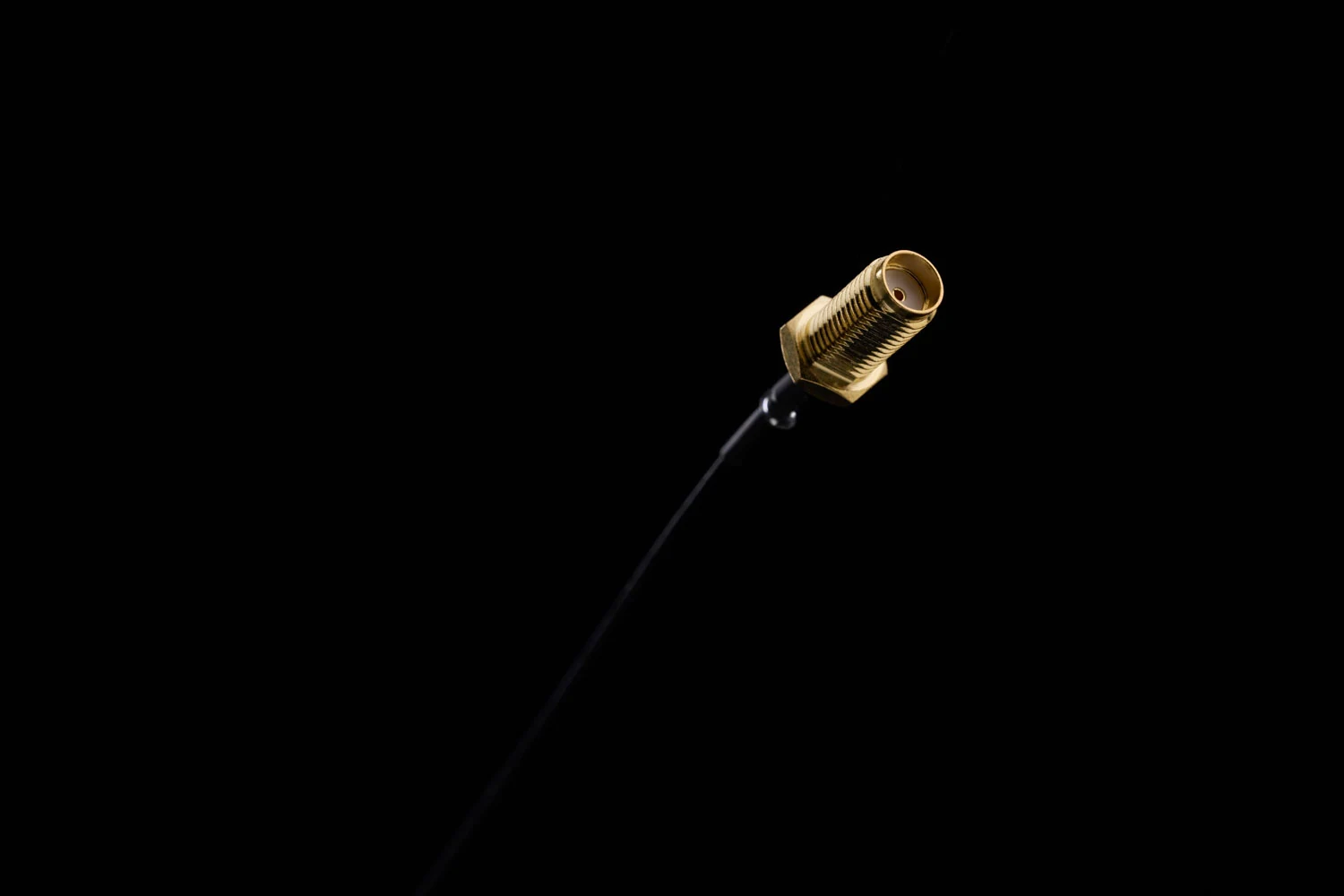
Sensor cables, adaptors and extension cables, to bring the sensor's signal to your acquisition system.
From the sensor's U.FL connector to SMA or microdot.
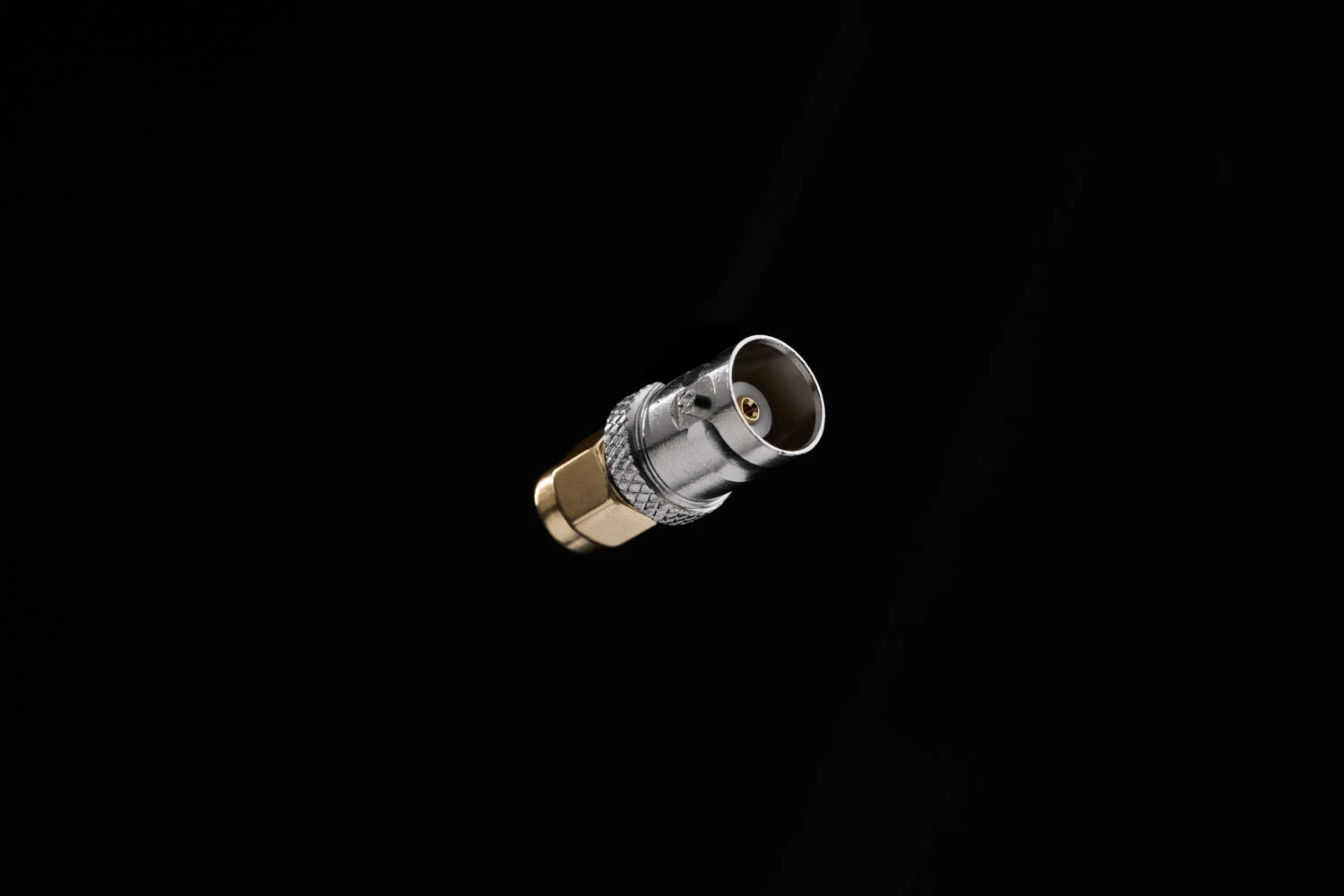
To plug Dragonfly® into the connectors of your acquisition system.
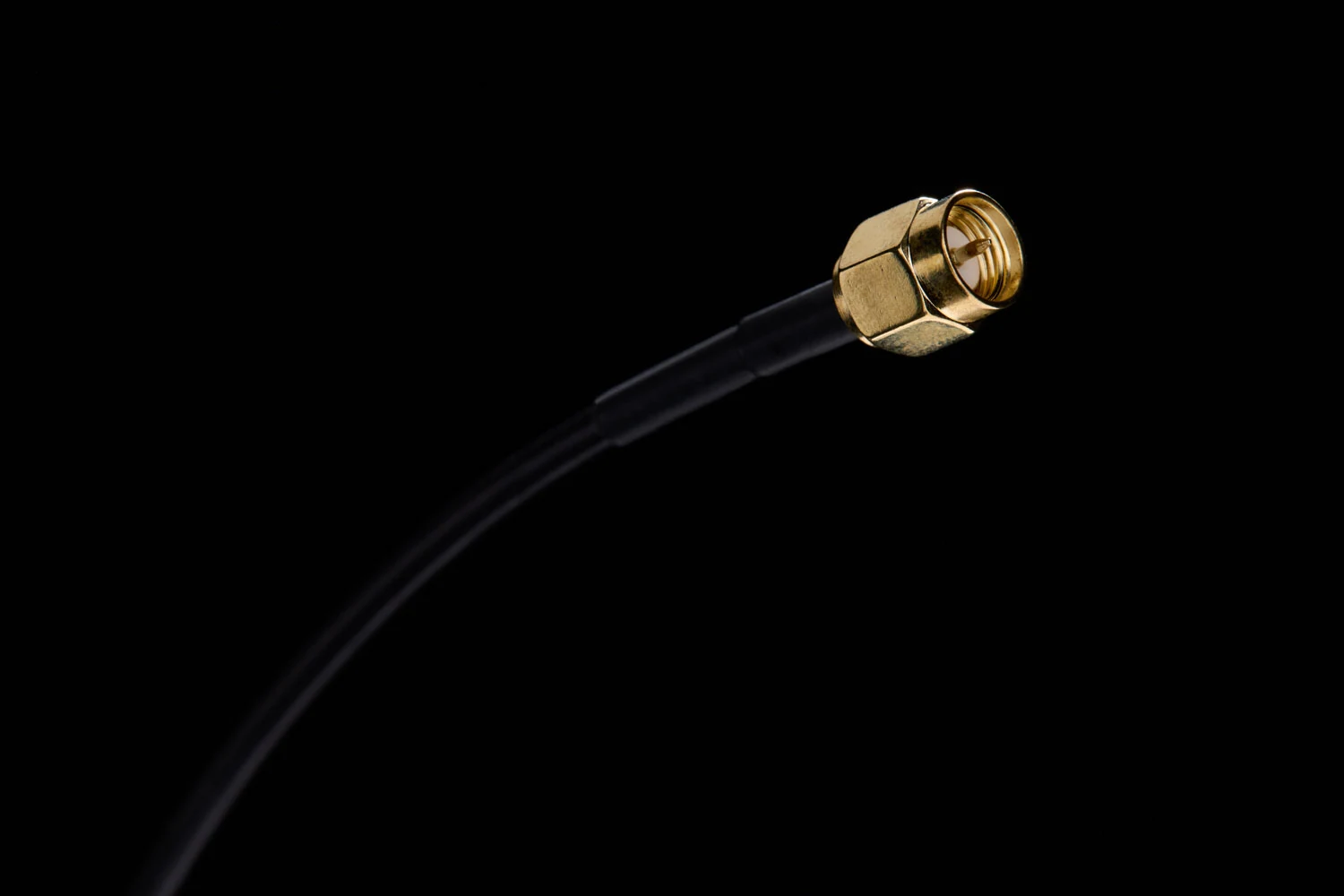
SMA to SMA, to bring the signal over the distance you need.
The Dragonfly® range
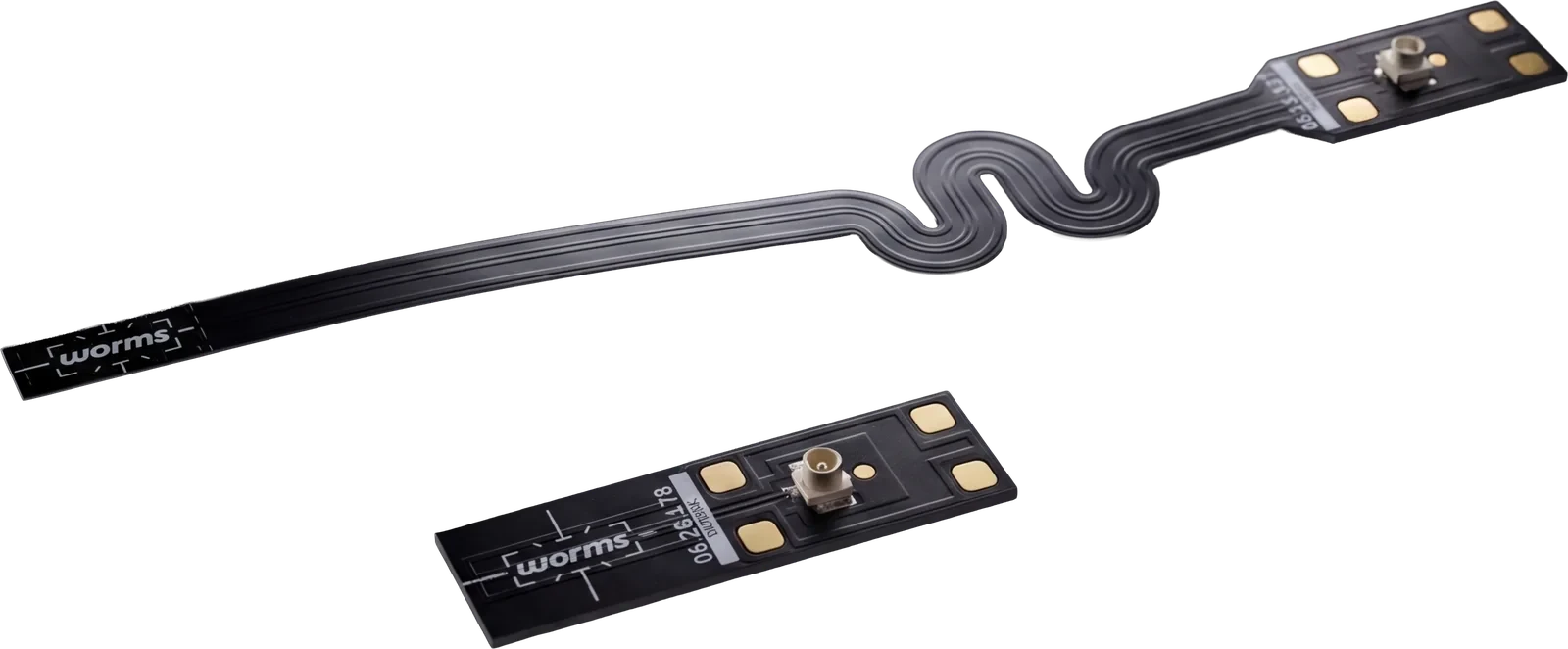
Dragonfly®
Passive
Piezoelectric strain sensor, no power, charge-mode native.
- Format
- Short and long
- Output
- Charge, no power
- Connector
- U.FL
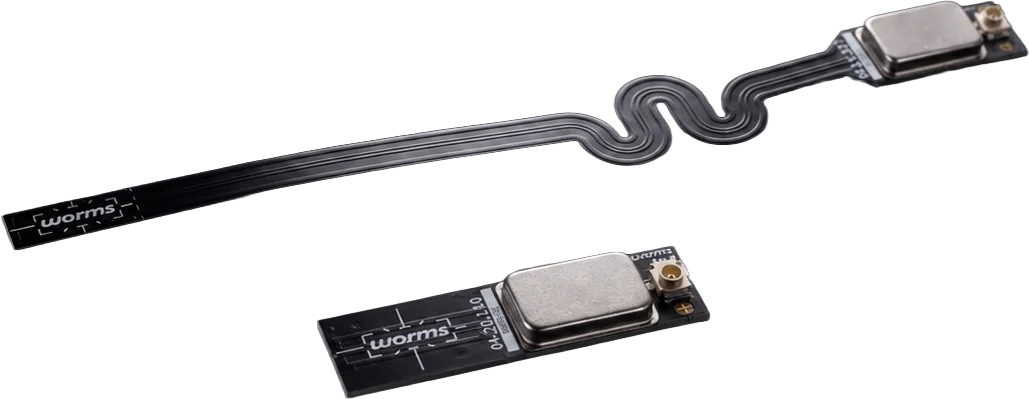
Dragonfly®
IEPE
IEPE-compatible strain sensor, drops into any ICP chain.
- Format
- Short and long
- Output
- IEPE
- Connector
- U.FL
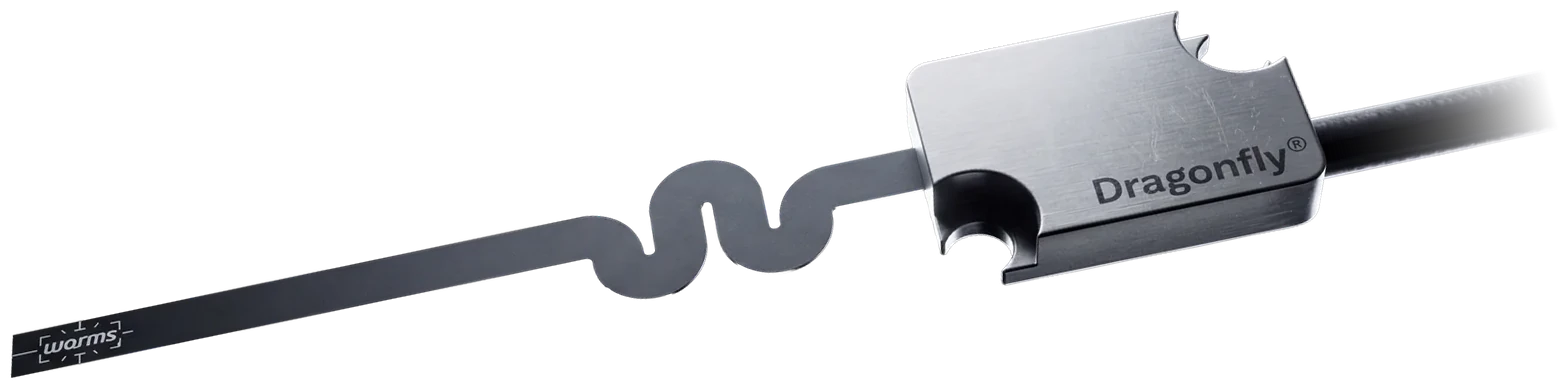
Dragonfly®
IO
Industrial-grade IEPE strain sensor, built for the factory floor.
- Format
- Industrial grade
- Output
- IEPE
- Connector
- M12, IP67
- 1000×More sensitive*
- 150 µmFlex substrate
- 0.01 Hz – 100 kHzBandwidth
- +120 dBDynamic range
- 0.7 gWeight (IEPE)




* Noise floor compared with a bonded strain gauge. Bandwidth: Passive from below 0.01 Hz, IEPE up to 100 kHz.
Not sure which one fits your application? Talk to our team
Dynamic surface strain: the tiny deformations a structure goes through when it vibrates, bends, twists or takes a shock. Load, torque and friction can be derived from it through application-specific calibration.
It measures strain directly, like a strain gauge, and follows fast dynamic events, like an accelerometer. The Passive version reaches below 0.01 Hz, the IEPE version beyond 100 kHz, with a noise floor around 1000 times lower than a bonded strain gauge.
It is bonded to the surface with a standard structural adhesive: cyanoacrylate for quick lab tests, epoxy for permanent installations. No drilling and no screws, and the flex follows curved surfaces down to a 2 cm bend radius.
The IEPE version plugs into any IEPE / ICP® compatible input. The Passive version works with a charge amplifier, and the IO version connects through a shielded M12 connector. If you have no acquisition chain yet, we supply the whole one: acquisition, dashboard and engineering.
The Passive version operates from −55 °C to +140 °C, the IEPE and IO versions from −55 °C to +125 °C. All three tolerate short exposures up to 150 °C, for 4 hours.