
Low and high, both critical.
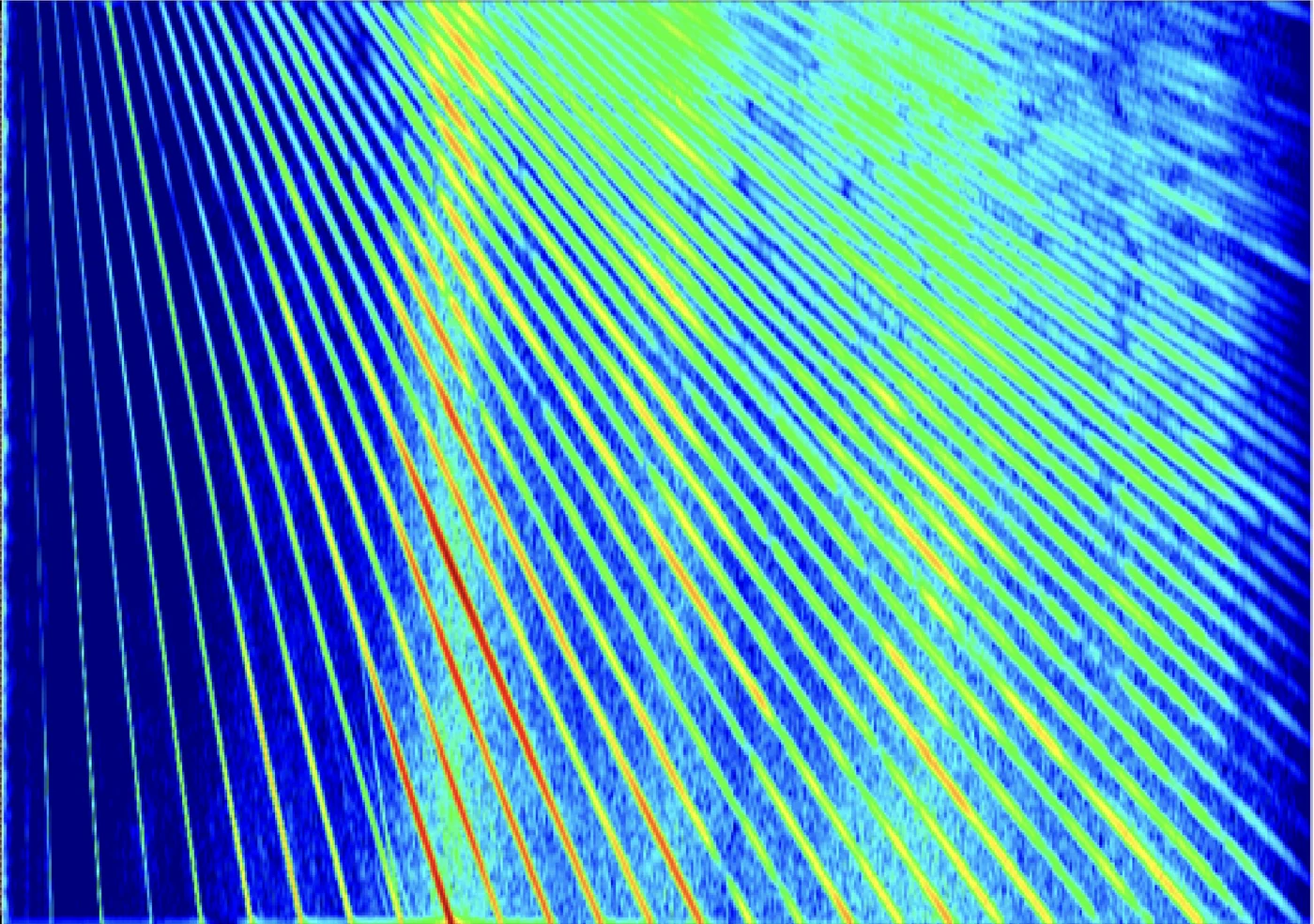
Tooth-level signatures live in two extreme bands at once — sub-10 Hz mechanical drift and ultrasonic harmonics. Standard accelerometers drown one to chase the other.
Use case
Latest releaseRead every tooth, at 600 RPM.
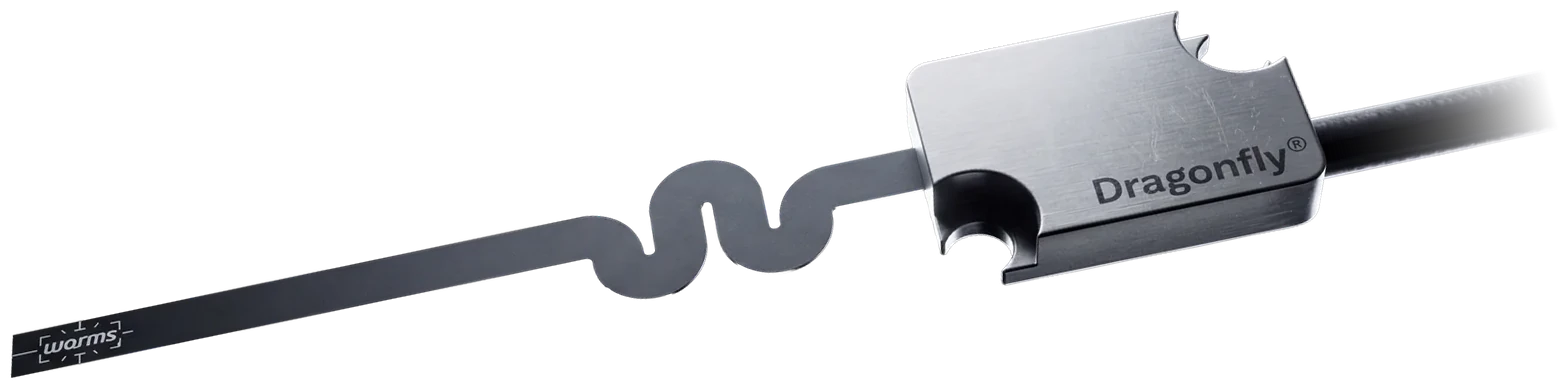
In a worm-gear reducer where accelerometers drown the <10 Hz mechanical signatures, Dragonfly® reads tooth-level vibration in real time — in a footprint small enough to fit where conventional sensors can't.
Challenge
Monitoring gear health requires capturing both low- and high-frequency mechanical signatures with high precision — something current sensing solutions fail to achieve. And integration is no easier: the gearbox is a compact assembly with extremely limited available space, leaving no room to embed conventional sensors without compromise.
Tooth-level signatures live in two extreme bands at once — sub-10 Hz mechanical drift and ultrasonic harmonics. Standard accelerometers drown one to chase the other.
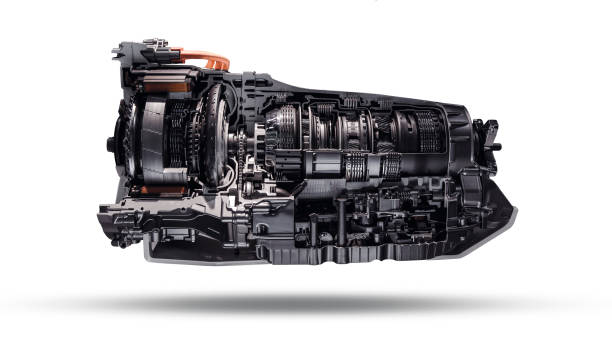
Gearboxes are dense, sealed, and built to spec. Conventional sensing solutions don't fit where the signal is — they get pushed to the housing, far from the source.
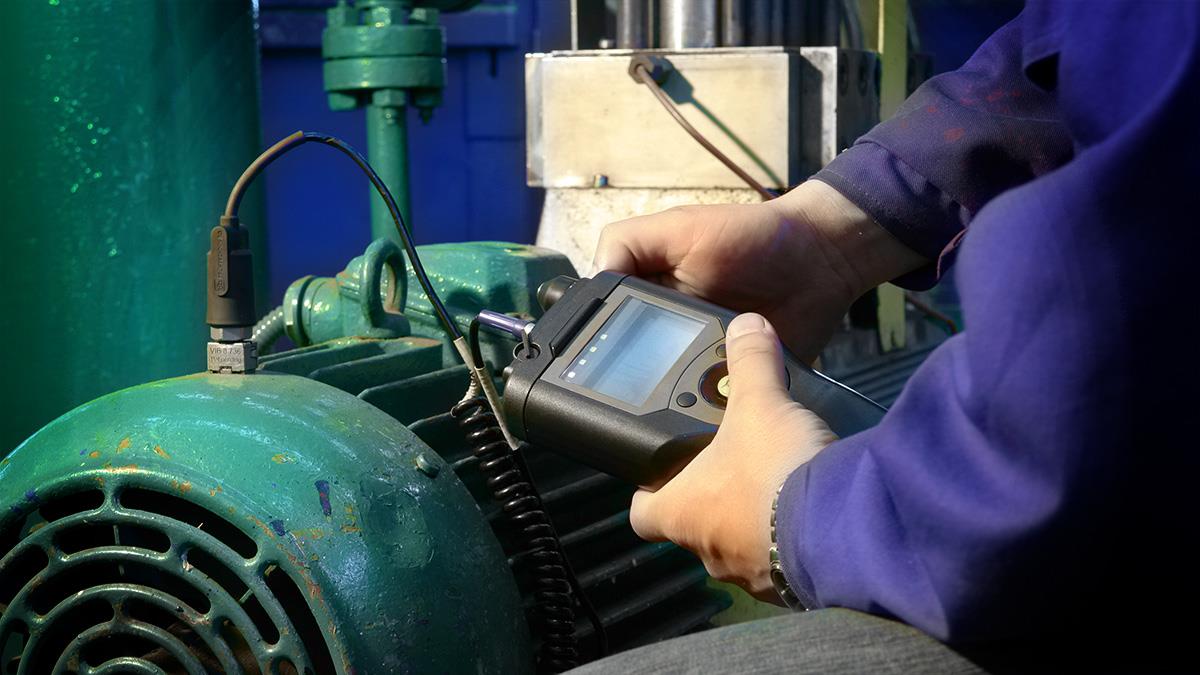
Every current sensor forces a trade-off: smaller means less sensitive; more sensitive means too bulky to embed. The signal you actually need is on the wrong side of that line.
New Revolution
In a worm-gear reducer where accelerometers drown the <10 Hz mechanical signatures, Dragonfly® reads tooth-level vibration in real time — in a footprint small enough to fit where conventional sensors can't.
Live demo
Paul walks through a real worm-gear reducer measurement — what Dragonfly® picks up at the tooth-mesh that a housing accelerometer smears into noise.
The shift
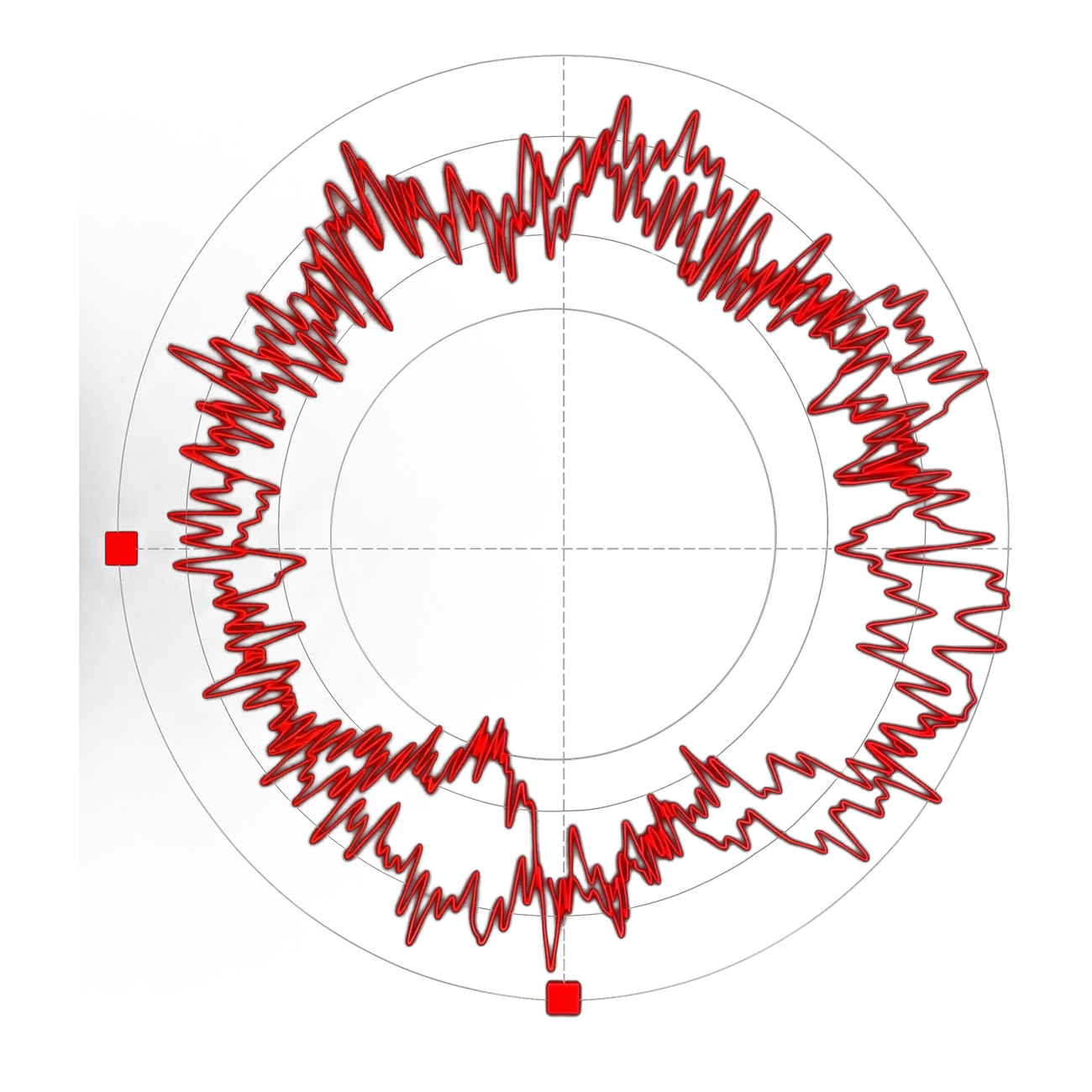
A conventional accelerometer mounted on the housing smears the tooth-mesh harmonics into structural noise. The early defect window is invisible — by the time the alarm fires, the gear is already pitted.
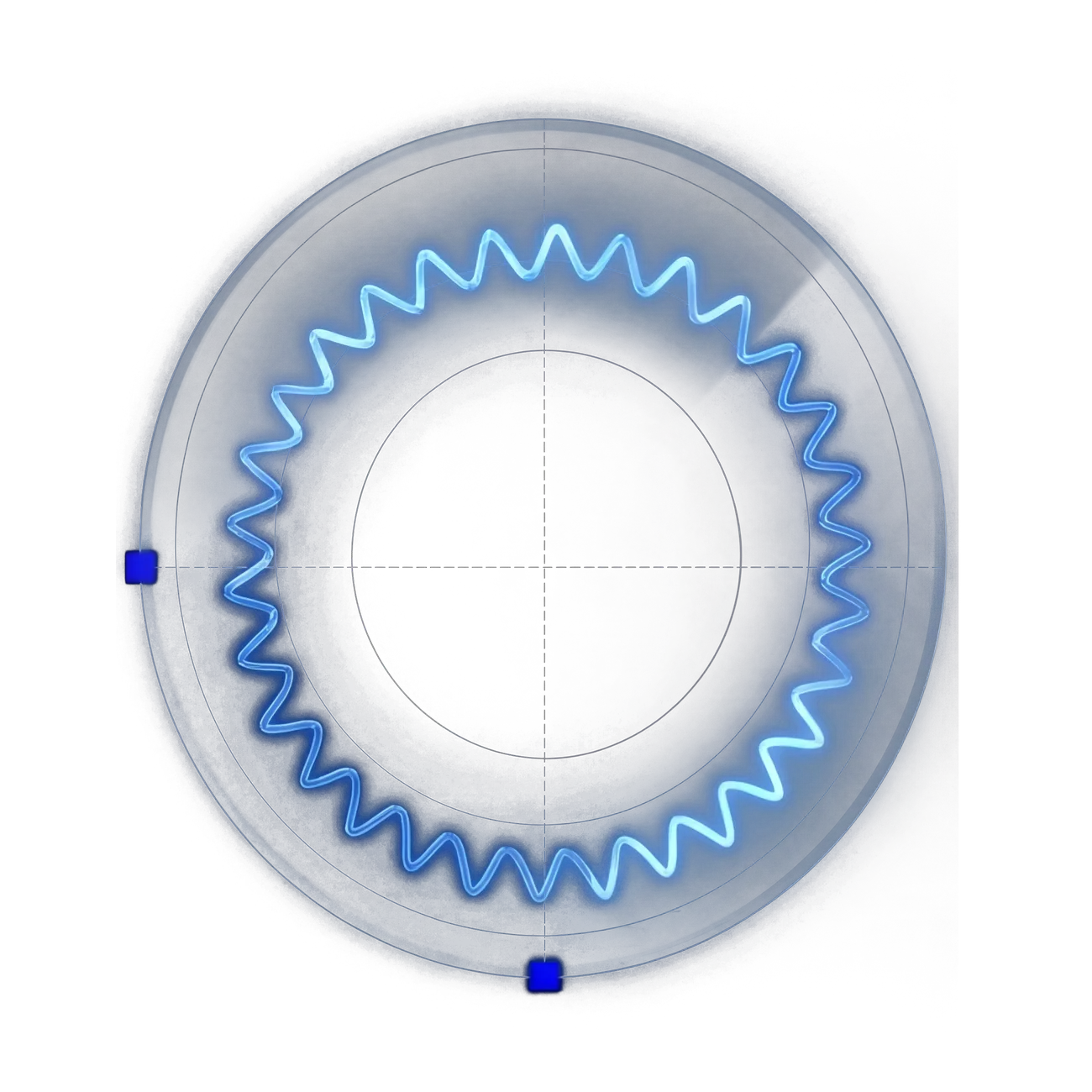
Dragonfly® resolves each tooth-mesh harmonic and its sidebands cleanly, in real time, in a footprint small enough to sit where the signal is born. Early defects become visible weeks before failure.
Found in
The same gearbox shows up across radically different industries — and the vibration challenge follows it everywhere. Here's where we deploy Dragonfly® on it.

Wind turbine main gearboxes and hydro reducers — high-torque, low-RPM, catastrophic if they fail unannounced.

Conveyor drives, press reducers, factory automation — the backbone of every production line.

Helicopter main gearboxes and propulsion reducers — qualification, fleet health, no second chances.

Ship reduction gearboxes and propeller shafts — sealed environments, costly interventions, long missions.

Crusher and mill drives, conveyor reducers — heavy shocks, abrasive load, downtime is daily revenue lost.
FAQ
Yes. IP67-rated for waterproof and dust resistance, M12 industrial connector, validated thermal range. Designed to live on or inside operating gearboxes — including outdoor wind-turbine nacelles, mining drives and maritime engine rooms.
It mounts on the housing — no penetration of the seal required. The thin piezo cell + edge electronics capture tooth-mesh signatures through the housing wall, so you don't compromise the gearbox warranty or its lubrication seal.
Up to 1000× more sensitive across both low- and high-frequency bands, with a 1 Hz–1 MHz bandwidth that resolves tooth-mesh harmonics and their sidebands cleanly. A standard accelerometer smears those signatures into structural noise — the BEFORE/NOW comparison above is the visual proof.
36 g, M12 connector, 4 mA (< 100 mW) power draw. One sensor per gearbox is typically enough to surface every meaningful defect signature. No bracket, no custom mount.
Both. Dragonfly® IO streams the full spectrum to the edge in real time, with on-device anomaly detection that only forwards what matters to your cloud or dashboard — so you don't drown your operators in raw data.
Get started
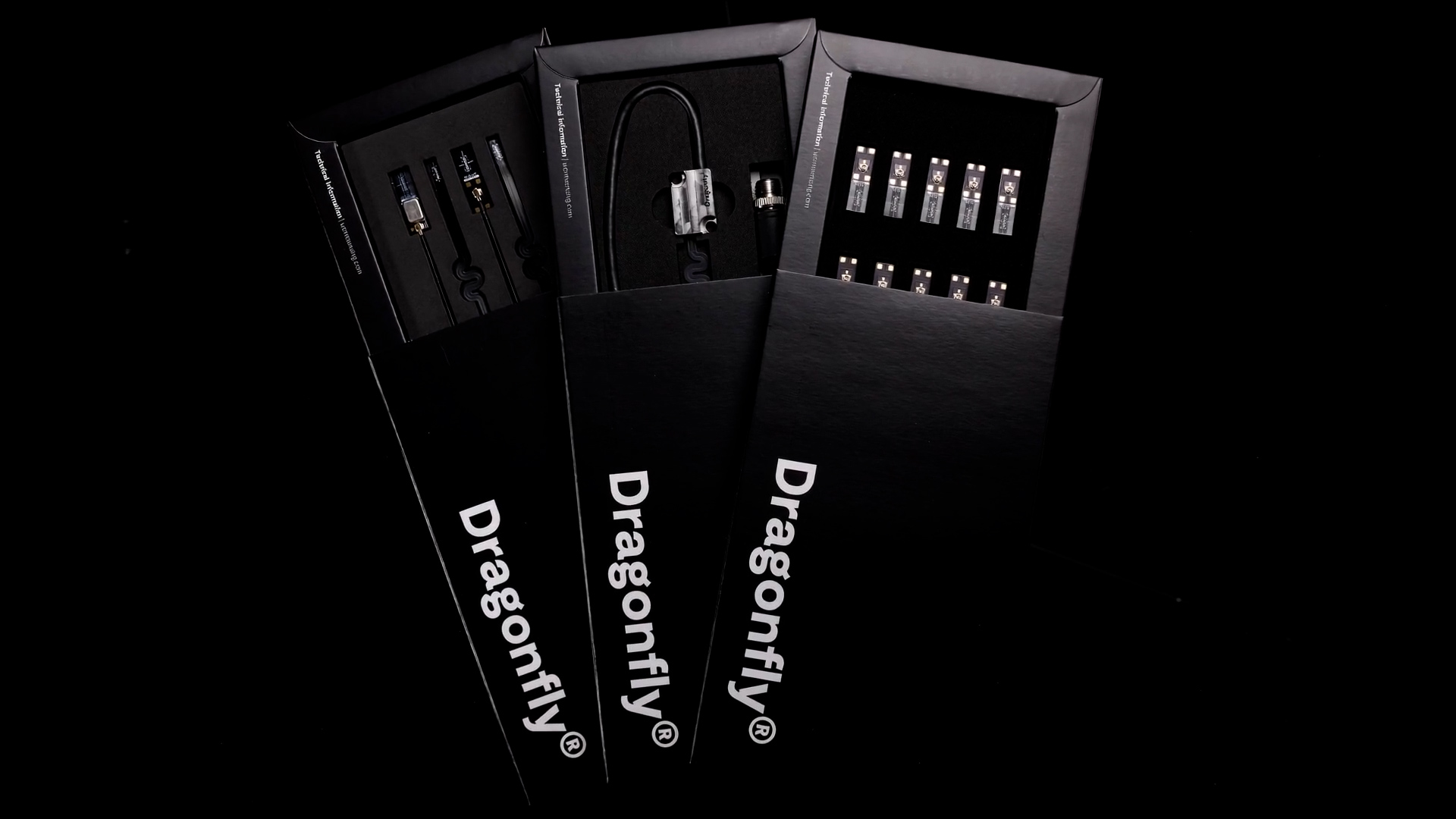
Three sensors, one platform — pick the Dragonfly® that fits your line.